
2025 우주안보 전환기: SpaceX 20억 달러 계약의 의미 & 미국의 Golden Dome 전략The 2025 Space Security Turning Point: The Significance of SpaceX's $2 Billion Contract and the United States' Golden Dome Strategy
SpaceX의 미 국방부 Golden Dome 프로젝트 3조 원 규모 위성 계약 체결 배경과, 중·러의 우주 군사화에 대응하는 미국의 우주기반 미사일 방어체계 전략을 분석합니다.SpaceX secures a $2 billion Pentagon satellite contract for the Golden Dome missile defense project. Analyzes the geopolitical backdrop of China's space-security convergence, Russia's nuclear ASAT development, and the shift toward civil-military hybrid defense procurement.

SpaceX, 미 국방부 'Golden Dome' 프로젝트 3조 원 규모 위성 계약
- SpaceX가 미국 국방부와 약 3조 원(20억 달러) 규모의 '골든돔(Golden Dome)' 위성 계약을 체결할 예정이라는 소식이 월스트리트저널(WSJ)을 통해 전해졌습니다.
- 이번 계약은 도널드 트럼프 대통령이 주도하는 초대형 미사일 방어체계의 핵심 사업으로, 최대 600기의 감시·요격 위성을 제작해 글로벌 미사일 위협을 탐지·차단하는 것을 목표로 합니다.
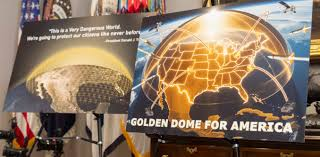
Golden Dome이란?
2025년 5월 공식화된 미국의 차세대 미사일 방어 프로젝트
| 항목 | 내용 |
|---|---|
| 총 규모 | 1,750억 달러 (3년 내 완공 목표) |
| 핵심 구성 | 발사 초기 단계에서의 미사일 탐지·요격을 위한 최첨단 시스템 |
핵심 구성 요소:
- 우주기반 요격체: 미사일이 발사되면, 지상에서 날아오기 전에 바로 우주에서 요격(격추)하는 장치
- 조기경보 레이더: 미사일 발사 순간의 열이나 전파를 감지해서, "언제, 어디서, 어떤 방향으로 날아오는지" 알려줌
- AI 통제 시스템: 수백 개의 위성, 레이더, 요격체를 AI가 실시간으로 데이터 분석해서, 공격 방향 계산 & 요격 명령
Golden Dome이 탄생된 배경: 지상에서 우주로 확장된 기술·안보 패권 경쟁의 결과
중국이 '지구 관측–양자 보안망'으로 정보주권 네트워크를 확장하고, 러시아가 '핵 ASAT 무기'로 우주 억제력을 군사화하면서, 미국은 이에 대응해 우주기반 미사일 방어체계(Golden Dome) 구축을 본격화한 것으로 예상됩니다.
🇨🇳 중국: 우주-보안 융합 전략
우주에서 데이터를 모으고, 양자 암호로 안전하게 전달하는 '우주-보안 융합 전략' 추진
-
23개 아프리카국과 위성·지상국 협정을 체결 (25년 2월)
- 지상국은 위성이 찍은 사진·데이터를 받아주는 "안테나 기지"
- 이번 협정을 통해, 중국은 지구 거의 전역의 관측 데이터(기상, 자원, 해양, 군사 이동 등)를 자국 네트워크로 수집·분석할 수 있게 됨
-
1,000km 양자암호 음성 통화 성공 (25년 6월)
- 양자통신: 해킹이 불가능한 양자 암호(Quantum Encryption) 기술을 실제 통신망에 적용하여, 도청/해킹이 거의 불가능하게 만든 것
- 1,000km 떨어진 두 지점을 양자 암호로 연결한 실제 음성 통화에 성공했으며, 실험 단계를 넘어 실제 정부·군·기업 통신망에 쓸 수 있는 수준으로 발전
🇷🇺 러시아: 우주를 핵 억제의 새로운 전장으로
-
러시아의 핵 탑재 가능성이 있는 반위성(ASAT) 무기 개발 의혹이 지속 제기 (24.05, 25.04)
- 핵 탑재 반위성(ASAT) 무기란? 위성을 공격할 수 있는 무기에 핵탄두를 실은 형태
- 이 같은 무기는 전세계 위성망을 마비시킬 수 있는 위험이 있음
-
미국 정보당국과 서방 분석가들은 이 움직임을 냉전기 '쿠바 미사일 위기'에 비견될 만큼의 전략적 긴장 신호로 평가
"러시아는 지구 궤도에 배치될 핵무장 반위성(ASAT) 무기체계를 개발 및 발사 준비 중인 것으로 보인다. 백악관은 그 위협을 축소했으나, 만약 실제 궤도에 배치된다면 이는 미국의 중대한 국가이익에 대한 명백하고 현존하는 위협(clear and present danger)이며, 우주 서비스를 사용하는 모든 우주개발국의 이익에도 심각한 위협이 될 것이다. 따라서, 이 사안은 1962년 쿠바 미사일 위기(Cuban Missile Crisis)에 필적할 수 있다." 미국 국가안보우주협회(NSSA) 발간 자료 중 (2024년 5월)
Golden Dome에 대한 반응
미국은 '우주 방어망 구축'을 정당화하고, 중·러·북은 이를 '무기화된 패권 행보'로 비판하고 있습니다. Golden Dome은 단순한 방어체계를 넘어, 우주 공간의 군사화·정당화 vs 반(反)무기화·견제 논리가 맞부딪히는 새로운 지정학적 분기점이 되고 있습니다.
| 국가 | 발언 주체 | 입장 |
|---|---|---|
| 🇺🇸 미국 | 트럼프 대통령 | "골든돔이 완전히 구축되면, 지구 반대편에서 발사된 미사일이라도, 심지어 우주에서 발사된 미사일이라도 요격할 수 있게 될 것이다." (Fortune, 25.5월) |
| 🇨🇳 중국 | 정부 대변인 | "미국은 'US-first' 정책을 추구하면서, 자국의 절대적 안보 확보에 집착하고 있다. 이는 모든 국가의 안보는 타국의 안보를 훼손해서는 안 된다는 원칙을 위반하는 것이며, 전 세계의 전략적 균형과 안정성을 훼손한다." (BBC, 25.5월) |
| 🇷🇺 러시아 | 크렘린 대변인 | 골든 돔 미사일 방어 시스템 개발이 미국과 러시아 간 핵무기 통제 협상 재개를 촉발할 수 있다고 제안. 이는 러시아가 이 시스템의 전략적 영향에 대해 우려하고 있음을 나타냄 (Reuters, 25.5월) |
| 🇰🇵 북한 | 외무성 미국연구소 | 미국의 골든 돔 사업을 **'매우 위험한 위협적 계획'**이라고 비난. '아메리카 퍼스트' 이념의 산물로, **'우주 핵전쟁 시나리오'**라고 표현 (KCNA, 25.5월) |
Golden Dome과 SpaceX 수주의 의미: 전통적 방위조달 구조의 혁신적 재설계
일론 머스크는 2025년 4월, 골든돔 프로젝트에 참여하지 않겠다는 입장을 공개적으로 밝혔으나, 불과 7개월 만에 미 국방부와의 대규모 계약 체결을 준비 중인 것으로 확인되었습니다.
트럼프 대통령과 국방부가 다양한 대체 업체를 검토했음에도 최종적으로 SpaceX를 선택했다는 점은, 머스크의 '상업형 수익모델'을 정부가 수용했을 가능성을 예측해볼 수 있으며, 전통적 방위조달 체계가 '민간 기술 기업 중심 비즈니스 모델'로 재편될 가능성을 시사합니다.
타임라인
2025.04: SpaceX, 골든돔 프로젝트 미참여 의사 발표
"SpaceX has not tried to bid for any contract in this regard. Our strong preference would be to stay focused on taking humanity to Mars. If the President asks us to help in this regard, we will do so, but I hope that other companies (not SpaceX) can do this..." Elon Musk, X
2025.04: SpaceX, 이례적 국방부 조달방식인 구독 서비스 제안 알려져
"SpaceX has proposed setting up its role in Golden Dome as a 'subscription service' in which the government would pay for access to the technology, rather than own the system outright. The subscription model could skirt some Pentagon procurement protocols allowing the system to be rolled out faster. While the approach would not violate any rules, the government may then be locked into a subscription and lose control over its ongoing development and pricing." Reuters
2025.07: 트럼프 행정부, SpaceX 대신 아마존 프로젝트 카이퍼 및 대형 방산업체들과 협의 중으로 알려져
"The Trump administration is expanding its search for partners to build the Golden Dome missile defense system, courting Amazon.com's Project Kuiper and big defense contractors as tensions with Elon Musk threaten SpaceX's dominance in the program." Reuters
2025.11: SpaceX, 골든돔 프로젝트 미 국방부 계약 체결 준비 알려져
"SpaceX is reportedly poised to receive a potential $2 billion contract from the Department of Defense for a satellite constellation effort tied to the Trump administration's Golden Dome next-generation missile defense shield project." GovWire
향후 (예상): 치열한 예산 확보 경쟁
골든 돔에 할당된 2029년까지 240억 달러의 예산 확보를 위한 치열한 경쟁이 SpaceX를 중심으로 진행될 전망이며, 실리콘밸리의 신흥 방산기업 및 전통 방산 기업간 경쟁 심화가 예상됩니다.
- 안두릴, 팔란티어 등의 SpaceX와의 협업 의사 표명
- 노스럽 그러먼, 록히드 마틴, 레이시온 등 기존 방위 산업체들도 협업 의사 표명
Connectionary Insight
이번 SpaceX의 수주는 실리콘밸리와 펜타곤을 연결하는 '민군 하이브리드 모델'의 출발점으로, 안보가 기술혁신의 새로운 성장축으로 부상했음을 의미합니다.
-
민간 기술의 안보 편입 가속: 트럼프 행정부는 재집권 직후부터 "기술 인프라의 안보 종속화"를 추진하며 AI·클라우드·위성 기업을 국가 안보 네트워크로 흡수하는 정책을 가속화했습니다.
-
조달 권한의 이동: 기존 Lockheed, Raytheon 중심의 방산 생태계에서 SpaceX·Amazon·Microsoft 등 테크 중심의 조달 구조로 재편이 진행되고 있습니다.
-
혁신과 안보의 결합: 이번 계약은 실리콘밸리와 펜타곤을 연결하는 '민군 하이브리드' 모델의 본격 출발점으로, 기술 주도 국가안보 체계의 새로운 시대를 열고 있습니다.
About Connectionary AID
Connectionary AID는 글로벌 리더의 발언·정책·시장 움직임을 근거 기반으로 제공하는 인텔리전스 플랫폼입니다.
SpaceX Secures $2 Billion Satellite Contract for the Pentagon's 'Golden Dome' Project
- According to a report by The Wall Street Journal (WSJ), SpaceX is set to sign a contract worth approximately $2 billion with the U.S. Department of Defense for the "Golden Dome" satellite project.
- The initiative, spearheaded by President Donald Trump, represents a core component of the United States' next-generation missile defense system, which aims to detect and intercept global missile threats through a constellation of up to 600 surveillance and interceptor satellites.
What is Golden Dome?
Officially announced in May 2025, the Golden Dome is the United States' next-generation missile-defense project.
| Item | Details |
|---|---|
| Total cost | $175 billion (targeted for completion within 3 years) |
| Core Components | A cutting-edge system designed to detect and intercept missiles during their early launch phase |
Core components:
- Space-based interceptors: Devices stationed in space that can intercept (destroy) missiles shortly after launch, before they re-enter or approach the ground.
- Early-warning radars: Sensors that detect the heat or radio signatures at the instant of launch and provide information on when, where, and in which direction the missile is travelling.
- AI command-and-control: An AI system that analyzes real-time data from hundreds of satellites, radars, and interceptors to compute attack trajectories and issue interception orders.
Background of the Golden Dome: A Shift from Ground to Space in the Global Tech and Security Power Race
The Golden Dome project emerged as a strategic response to the escalating technological and security competition expanding from Earth to space.
- China has been advancing its "Earth Observation–Quantum Security Network", extending its information sovereignty architecture into orbit to secure data dominance and resilient communication channels.
- Russia, meanwhile, has been militarizing space deterrence through the development of nuclear anti-satellite (ASAT) weapons, signaling a willingness to use orbital assets as part of its strategic defense posture.
In this context, the United States has accelerated the establishment of the space-based missile defense system, Golden Dome, as a countermeasure designed to ensure early interception capabilities and to reassert space domain superiority.
China: Space–Security Convergence Strategy
Collecting data in space and transmitting it securely through quantum encryption
-
Agreements with 23 African Nations on Satellite and Ground Station Cooperation (February 2025)
- China has signed cooperation agreements with 23 African countries to establish satellite ground stations: antenna bases that receive and relay imagery and data captured by satellites.
- Through these partnerships, China can now collect and analyze near-global Earth observation data (covering weather patterns, natural resources, ocean monitoring, and military movements) directly within its domestic information networks.
-
Successful 1,000 km Quantum-Encrypted Voice Call (June 2025)
- China achieved a 1,000-kilometer quantum-encrypted voice transmission, applying quantum communication technology (which uses quantum encryption to make eavesdropping or hacking virtually impossible) to a real-world communication network.
- This milestone demonstrates that quantum-secure communication has moved beyond experimental stages and is now viable for government, military, and enterprise networks.
Russia: Treating Outer Space as a New Arena for Nuclear Deterrence
-
Ongoing Allegations of Russia Developing a Nuclear-Capable Anti-Satellite (ASAT) Weapon (May 2024, April 2025)
- Russia continues to face allegations of developing nuclear-armed anti-satellite (ASAT) weapons: systems designed to destroy or disable satellites in orbit using nuclear warheads.
- Such weapons could potentially cripple global satellite networks, disrupting communications, navigation, and military coordination systems worldwide.
-
Western Intelligence Views It as a Strategic Flashpoint Comparable to the Cuban Missile Crisis.
"Russia appears to be developing and preparing to deploy a nuclear-armed anti-satellite (ASAT) system in Earth's orbit. Although the White House has downplayed the threat, if deployed, it would represent a clear and present danger to U.S. national interests and to all nations relying on orbital services. This issue could rival the Cuban Missile Crisis in its potential strategic impact." National Security Space Association (NSSA), May 2024 Report
Reactions to the Golden Dome
The United States has framed the Golden Dome initiative as a legitimate step toward building a defensive space shield. In contrast, China, Russia, and North Korea have condemned the project as a weaponized assertion of U.S. dominance in space.
The Golden Dome represents more than a missile defense system; it marks a geopolitical turning point, where competing narratives of "space defense and deterrence" versus "demilitarization and restraint" are colliding.
| Country | Speaker | Position |
|---|---|---|
| 🇺🇸 USA | President Donald Trump | "Once fully constructed, the golden dome will be capable of intercepting missiles even if they are launched from other sides of the world, and even if they are launched from space." (Fortune, May 2025) |
| 🇨🇳 China | Foreign Ministry | "The United States, in pursuing a 'US-first' policy, is obsessed with seeking absolute security for itself. This violates the principle that the security of all countries should not be compromised and undermines global strategic balance and stability." (BBC, May 2025) |
| 🇷🇺 Russia | Kremlin spokesperson | Suggested that developing such a system could trigger talks about nuclear arms control between the U.S. and Russia. (Reuters, May 2025) |
| 🇰🇵 North Korea | Institute for American Studies, Foreign Ministry | Called the Golden Dome plan "a typical product of 'America first', the height of self-righteousness... and an outer space nuclear war scenario." (KCNA, May 2025) |
The Significance of SpaceX's Golden Dome Contract: A Transformative Shift in Traditional Defense Procurement
In April 2025, Elon Musk publicly stated that he would not participate in the Golden Dome project. However, only seven months later, it was confirmed that SpaceX is preparing to sign a major contract with the U.S. Department of Defense.
Despite reviewing various alternative contractors, President Trump and the Pentagon ultimately selected SpaceX, suggesting that the government may now be embracing Musk's commercialized business model and indicating a potential restructuring of the traditional defense procurement system toward a private technology-driven model.
Timeline
2025.04: SpaceX Statement of Non-Participation
"SpaceX has not tried to bid for any contract in this regard. Our strong preference would be to stay focused on taking humanity to Mars. If the President asks us to help in this regard, we will do so, but I hope that other companies (not SpaceX) can do this..." Elon Musk, X
2025.04: SpaceX Offers Subscription-Service Model to the U.S. Department of Defense
"SpaceX has proposed setting up its role in Golden Dome as a 'subscription service' in which the government would pay for access to the technology, rather than own the system outright. The subscription model could skirt some Pentagon procurement protocols allowing the system to be rolled out faster. While the approach would not violate any rules, the government may then be locked into a subscription and lose control over its ongoing development and pricing." Reuters
2025.07: Trump administration in talks with Amazon's Project Kuiper and major defense contractors as potential partners instead of SpaceX
"The Trump administration is expanding its search for partners to build the Golden Dome missile defense system, courting Amazon.com's Project Kuiper and big defense contractors as tensions with Elon Musk threaten SpaceX's dominance in the program." Reuters
2025.11: SpaceX preparing to sign contract with the U.S. Department of Defense
"SpaceX is reportedly poised to receive a potential $2 billion contract from the Department of Defense for a satellite constellation effort tied to the Trump administration's Golden Dome next-generation missile defense shield project." GovWire
Future: Fierce Competition for Budget Allocation
A fierce race for funding is expected around the $24 billion budget allocated through 2029, with SpaceX at the center. Competition between emerging Silicon Valley defense tech firms and traditional defense giants is intensifying:
- Anduril and Palantir have expressed interest in collaborating with SpaceX
- Northrop Grumman, Lockheed Martin, and Raytheon have also signaled willingness to partner
Connectionary Insight
SpaceX's latest contract marks the beginning of a "civil–military hybrid model" that bridges Silicon Valley and the Pentagon, signaling that national security has emerged as a new axis of technological growth.
-
Acceleration of Civilian Technology Integration into Security: The Trump administration has advanced a policy of "securitizing technological infrastructure", accelerating efforts to integrate AI, cloud, and satellite companies into the national security network.
-
Shift in Procurement Power: The traditional defense ecosystem (long dominated by Lockheed Martin and Raytheon) is undergoing a major transformation toward a technology-driven procurement structure, led by SpaceX, Amazon, and Microsoft.
-
Convergence of Innovation and Security: This contract represents the true starting point of the civil–military hybrid era, linking Silicon Valley's innovation capacity with the Pentagon's defense infrastructure.
About Connectionary AID
Connectionary AID is an intelligence platform that provides evidence-based insights into the statements, policies, and strategic moves of global leaders.